Diving and Snorkelling in Malaysia: Reefs, Seasons, Sipadan
Redang and Tioman run roughly March to October, Perhentian resort by resort; Sipadan needs a permit and an FCDO warning read first. Fees in RM.
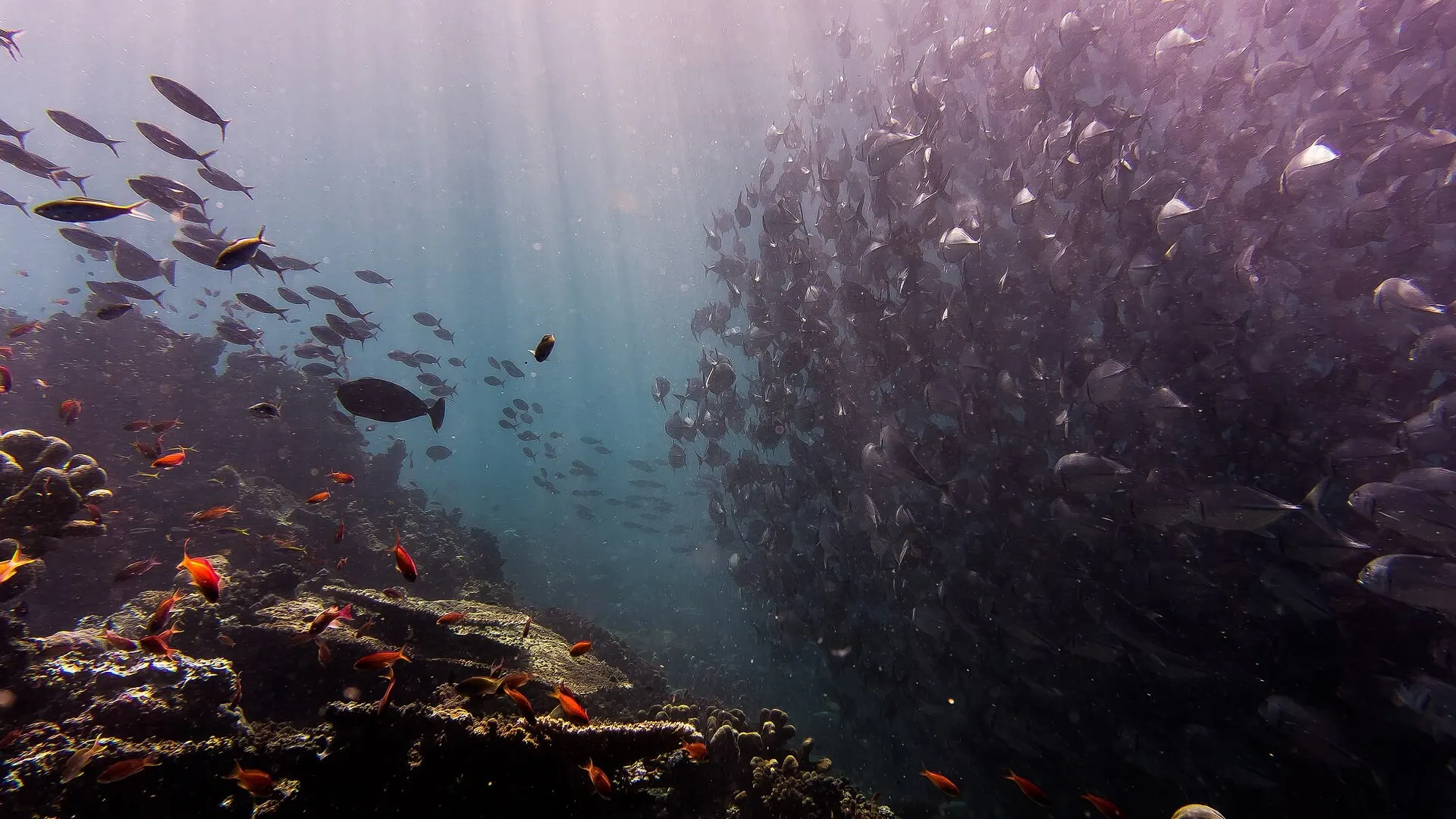
Malaysia’s reef season on the peninsula is a calendar, not a mood: Redang and Tioman work roughly from March to October and mostly shut for the north-east monsoon, and Perhentian, on the same coast, is a question for each resort. Sipadan, off Sabah, runs on a different set of rules: a Sabah Parks permit, a 50% deposit at booking and an official UK travel warning you should read before you pay it.
Which island, which months
The peninsula’s east coast faces the South China Sea, and from about November the north-east monsoon pushes swell onto it. Tourism Malaysia’s Redang page puts it plainly: during the north-east monsoon the resorts on the island close for a few months, normally between November and February, so the best time to go is March to October. For Tioman the same body says the monsoon runs from late October to early February, resorts wake up in March and most stay open until October, with June and July the peak.
A dive operator on the island is a little more generous. Tioman Dive Resort says its dive season runs from early February until the middle of November, with the best conditions usually in March to May and September to November. That’s a useful reminder that the edges move with the weather and with each owner, so treat the dates in this table as a planning window and not a guarantee.
| Place | Window to plan around | Source and condition |
|---|---|---|
| Redang | March to October | Tourism Malaysia; resorts normally close November to February |
| Tioman | March to October | Tourism Malaysia; monsoon late October to early February |
| Tioman dives | Early February to mid-November | Tioman Dive Resort’s own season, not a closure date for every business |
| Perhentian | March to October, usually | Not an official calendar: on 4 November 2026 Bernama reported most places to stay shut since late October; ask the resort |
| Sipadan | February to November | Tourism Malaysia’s best diving season; permits through an operator from Sabah Parks, and read the FCDO warning in the Sipadan section |
Perhentian deserves a plain admission. We couldn’t find an official calendar for it, and resorts there set their own dates. The nearest thing is news: on 4 November 2026 Bernama, in The Star, reported that about 90% of the island’s 80 places to stay had shut since late October, that the Kuala Besut tourist jetty had been closed for the monsoon, and that the peak season runs from March to October. So write to the resort you want before you plan flights around March. A resort that has already replied in writing with a reopening date is worth more than any blog’s list of months.
The shoulder months are a gamble in both directions. A late-October trip may find the dive shop open and the neighbouring resort already boarded up, and an early-March trip may have good water but a thin choice of restaurants. If your dates fall between November and February, the east-coast parks are the wrong plan for that trip, and Sipadan is no simple swap: Tourism Malaysia gives its best diving season as February to November, and the FCDO warning and the insurance point in the Sipadan section below apply whatever the month. On the west coast, Pulau Payar off Langkawi is a snorkelling day trip (more below); ask the boat operator whether it sails on your dates before you build a trip around it. The passport, visa and arrival-card checks for the same trip are in our entry guide.
What the park charges you
Redang, Perhentian and Tioman sit inside marine parks, and visitors pay a conservation charge on top of whatever the resort or dive shop sells you. The Department of Fisheries, which now hosts the Marine Park section’s pages, lists RM30 for a non-Malaysian adult and RM15 for a non-Malaysian child aged 6 to 12 or senior aged 60 and over; Malaysians with MyKad pay RM5 and RM2. The table cites the Fees (Marine Parks Malaysia) Order 2017, and the page’s own update line reads 25 May 2021, so confirm the amount when you book.
The charge is separate from your boat, resort and dive prices. Tioman Dive Resort says the same RM30 for foreigners is payable in cash at the jetty, so carry small notes with you on the ferry, not just a card. It’s a per-person charge, and it applies whether you dive, snorkel or only sit on the beach, because it’s the entry price for the park.
Learning to dive on Tioman, priced
Tioman is an easy place to price a first course, because one operator sells it as a package with the room. On 16 November 2026 Tioman Dive Resort’s page for the PADI Open Water course (4 days, 3 nights) lists the package by room type, from RM1,750 for a bed in the B&J dormitory (shared by up to five people) and RM1,790 for a triple-sharing standard room to RM2,790 for a single-occupancy deluxe room. The page doesn’t say whether those are per person or per room, so ask before you compare it with another school. It includes three nights, basic breakfast, the PADI eLearning, logbook and equipment hire. It excludes ferry tickets, the marine park fee, a RM3 per room per night state sustainability fee and, for foreigners, the RM10 per room per night tourism tax.
What isn’t obvious from a brochure is the swim test. The operator asks you to swim 200 m without aids, or snorkel 300 m with fins and a snorkel, and to float for ten minutes. It also says certification depends on mastering the skills and can’t be guaranteed. If your swimming is shaky, practise at home before you pay for a four-day slot.
For people who already hold a card, the same operator’s dive centre B&J Diving charges RM300 for a morning boat trip of two dives and RM150 for an afternoon dive, with shore dives at RM90 each (prices on its dive page, 16 November 2026, cheaper the more you dive). Bring proof of certification.
Snorkelling without a certificate
You don’t need a card to see reef on the peninsula, and you pay the marine park charge either way. Tourism Malaysia lists snorkelling among the things to do on Tioman, with coral gardens and marine life, and calls Pulau Payar Marine Park, a day trip from Langkawi, a popular place to snorkel; the park has a floating platform with an observation area for anyone who’d rather not get wet. Choose a day-trip operator that gives you a life jacket and a guide, and wear a rash vest even in hot weather, since the sun on the back of your neck is the usual casualty of a long snorkel.
If you’re adding reef time to a peninsula trip, the Peninsular Malaysia in 10 days route runs up the west coast, where the reef option is a day trip from Langkawi’s Kuah jetty to Pulau Payar Marine Park (Tourism Malaysia gives about 45 minutes by speedboat), while Redang, Perhentian and Tioman lie off the east coast, so they’re a separate leg rather than a detour. Land in the capital first if you can: Kuala Lumpur is where most international flights arrive, and a night there makes the onward bus or flight to the coast much easier.
Sipadan: the permit, the fees and the warning
General information, not insurance, legal or safety advice. The FCDO wording and the Sabah Parks fees below were read on 16 November 2026. Travel advice and policy terms change and depend on your nationality and your insurer, so confirm both with the official source and in writing with your insurer before you pay a deposit.
Sipadan is a single small island off Semporna in Sabah, and Sabah Parks, the state body that runs it, describes it as one of the top dive sites in the world, with visibility of between 60 and 200 feet (about 18 to 60 metres) and twelve popular dive sites. Barracuda Point is the one it names as the best. You can’t just turn up: permits are issued by Sabah Parks, and the park’s own page says bookings are made at its head office in Kota Kinabalu or its Semporna office, and that dive operators may book up to six months in advance. A 50% deposit goes in at booking and full payment is due two weeks before the dive. Cancel less than two weeks out and the money paid is forfeited, and permit availability is decided by Sabah Parks. For most visitors that means booking through one of the 42 operators on its registered list, and asking them how far ahead permits are secured.
On top of an operator’s package, Sabah Parks lists a conservation fee of RM100 per person for international visitors and a scuba diving fee of RM350 per person for international divers, on its Sipadan page on 16 November 2026. The page adds that fees may vary by activity and visitor category, so ask your operator which line applies to you.
Now the warning. The UK’s Foreign, Commonwealth and Development Office (FCDO), on its Malaysia travel advice page (updated 19 March 2026 and marked still current when we read it on 16 November 2026), says it “advises against all but essential travel to all islands and dive sites off the coast of eastern Sabah from Sandakan to Tawau, including Lankayan Island, due to the threat of kidnapping. This does not apply to the mainland of Sabah.” Semporna lies between Sandakan and Tawau, and Sipadan is an island off that coast, so it falls under the wording. The same page adds that “your travel insurance could be invalidated if you travel against advice from the Foreign, Commonwealth & Development Office (FCDO).”
Here’s what that means for you. A leisure dive is not “essential travel” in the FCDO’s sense, so a policy that excludes travel against government advice may not pay a claim for anything that goes wrong on that trip, from a medical bill to an evacuation. Policies differ, so the wording decides: ask your insurer in writing, naming Semporna and Sipadan, before you pay a deposit, and keep the reply. Our guide to the insurance gaps for Malaysian dive trips covers the other questions to put to an insurer, from diving cover to evacuation. If you hold a passport from another country, read that government’s advice for Malaysia too: the US State Department, Global Affairs Canada and Australia’s Smartraveller each publish one. Hold an operator to the same standard: ask what security arrangements they run and what happens to your money if conditions change. Whether to go is your decision. The warning is about the sea and islands off the eastern coast, not the whole of Sabah. On the Sabah mainland, rainforest and orangutan encounters make a land-based wildlife stay, and planning a Mount Kinabalu climb starts with a permit and an overnight booking on the mountain.
Photos
Read also

Things to do · 7 min read
Malaysia Rainforests: Sepilok, Kinabatangan or Taman Negara
Updated · 17 November 2026Sepilok feeding times and RM30 entry, a Kinabatangan river stay or Taman Negara walks: travel times from Sandakan and Kuala Lumpur, and what is closed.

What to see · 7 min read
Batu Caves: 272 Steps, Free Temple Entry and the Train
Updated · 17 November 2026Batu Caves from Kuala Lumpur: free entry to the temple cave, 6am-9pm hours, 272 steps, the KTM Komuter train (about 30 minutes) and Thaipusam 2027.

Car hire · 7 min read
Car Hire in Malaysia: Licence, Tolls and Driving on the Left
Updated · 17 November 2026Car hire in Malaysia: home licence plus an IDP for UK, US and Australian drivers, Hertz deposit and excess, cashless tolls and driving on the left.

Towns · 8 min read
Kuala Lumpur: Airport Train, Where to Stay and 3 Days
Updated · 17 November 2026Kuala Lumpur for a first trip: KLIA Ekspres fares and times, KLCC, Bukit Bintang or Chinatown as a base, getting around, Batu Caves and how many days.