Car Hire in Malaysia: Licence, Tolls and Driving on the Left
Car hire in Malaysia: home licence plus an IDP for UK, US and Australian drivers, Hertz deposit and excess, cashless tolls and driving on the left.
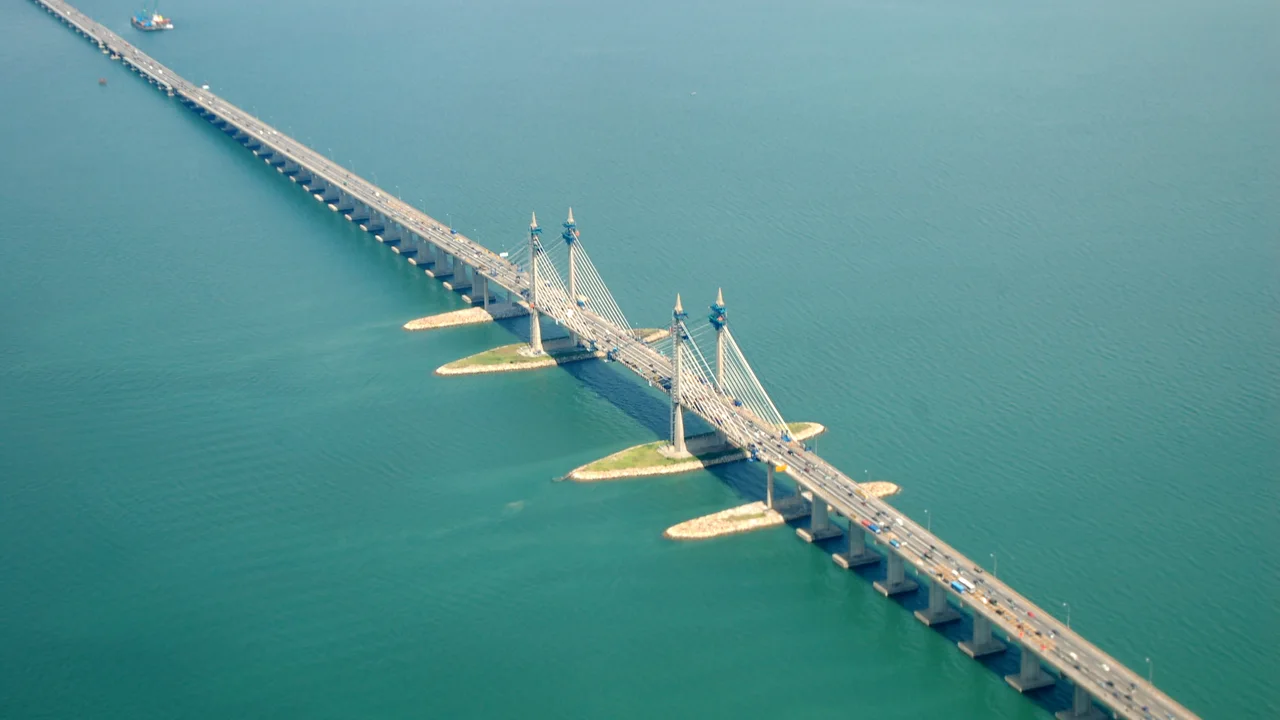
You can drive a hire car in Malaysia on your home licence plus an International Driving Permit if you’re from the UK (the 1949 type), the US or Australia. Traffic keeps left, and suppliers such as Hertz Malaysia want a credit card in the authorised renter’s name. The detail to settle before you drive off is the tolls: a Touch ‘n Go card, the TNG eWallet and an RFID tag are separate ways to pay, and the card’s balance isn’t linked to the eWallet’s, so ask the desk which one this car uses and how you’ll top it up.
Skip the car in Kuala Lumpur and George Town, and hire one for the stretch in between or beyond. The capital is easier to cross by train than by road, as our Kuala Lumpur guide explains, and on Penang Island parking in the old town is tight enough that our Penang guide calls a car more trouble than help for a short stay. Collect the vehicle on the day you leave the city, not before.
Where a car pays off
A car pays off on the stretch where buses and trains stop short of what you came for. Our 10-day Peninsular Malaysia route shows the catch with the Cameron Highlands: Tanah Rata is walkable, but the tea estates are some way out, so without a car you’re booking taxis or a guided half-day. A hire car turns that into your own pace, and on that route it’s the leg that earns the extra days of rental.
Before you commit, price the same legs by coach and train with trains, coaches and flights compared: on the Kuala Lumpur to Tanah Rata run, the Unititi coach starts from RM35 a ticket, so multiply it by the number of travellers before you set it against a day’s rental plus fuel, tolls and parking.
Licences: what each government says
These are government instructions for the named visitors, checked on 16 November 2026. Confirm them again before you travel, and make sure the supplier accepts the documents you’ll present.
| Visitor | Documents described by their government |
|---|---|
| UK licence holder | UK driving licence and a 1949 IDP |
| US licence holder | Valid US driving licence and an IDP |
| Australian visitor | Valid Australian driving licence and an IDP |
| Canadian licence holder | Canadian licence for up to 3 months, then an IDP or a Malaysian licence |
The UK guidance names the permit type, so apply through the official issuing process for your licence. With another country’s licence, read your own government’s guidance and Malaysia’s Road Transport Department; the table isn’t a worldwide rule. Suppliers can add conditions of their own: Hertz Malaysia says other nationals with a valid licence in English can drive for a maximum of 3 months, and it doesn’t accept probationary licences.
The deposit, the excess and the card at the counter
Hertz Malaysia’s terms page (read 17 November 2026) says every rental carries a deposit to cover extra costs such as fuel or damage, charged to a credit card before you collect the car. The card must be an American Express, Visa or MasterCard in the authorised renter’s name, and the terms say they don’t accept a debit card or cash for the deposit. The terms page gives the card rules and leaves the amount to the counter. One oddity is worth settling before you fly: the booking form on the same site mentions an RM600 deposit for debit-card holders, which doesn’t match the terms, so ask Hertz which rule applies.
What the page does give is the excess, and it only applies if you buy cover. Without Hertz’s liability reduction option (LRO), the renter is responsible for all damage to the car, theft included, regardless of fault. With LRO, at RM25 a day for car groups A to K or RM45 for groups W to Z, and a police report within 24 hours of an accident or theft, your liability is capped at an excess of RM2,200 or RM5,300. The super option (SLRO), at RM35 or RM75 a day, brings the excess to zero. That is one supplier’s schedule, and other companies price this differently, so compare named suppliers side by side, not the daily rate alone.
Put the deposit on a card with room to spare, and don’t count that money as spendable while the supplier holds it. If the same card is paying for hotels, ask the supplier and your card issuer how and when the hold is released.
Rental cover, and what the contract rules out
Read the liability terms and the exclusions beside any reduction option: glass, tyres, lost keys, theft, roadside recovery, and how to report an incident. Keep the answers in writing. Travel insurance is a separate document: our Malaysia travel insurance guide deals with diving, rescue and evacuation, not hire cars, so don’t assume a travel policy pays the rental excess unless its wording says so.
Hertz’s restricted-entry clause is the sort of line that decides an itinerary. Its cars are barred from Singapore, Thailand, Brunei and Indonesia, and from being loaded onto sea, river or air transport for use on Langkawi, Tioman, Redang or Pangkor. So a hire car for the 10-day route stops at the mainland ferry pier. Ask any supplier about ferries, border crossings, one-way returns and extra drivers before you build a plan around the car. Hertz handles one-way hires as a separate arrangement with a repositioning charge, and adds RM70 on top of any traffic fine it passes on to you.
Smaller print has teeth too: the terms bar anything that leaves a strong smell in the car, durians included.
Tolls: card, eWallet or RFID tag
On PLUS’s journey-planning page (read 17 November 2026), the operator tells drivers its expressways no longer accept cash, and lists four lane types: Touch ‘n Go, SmartTAG, MyRFID and Open Payment. Open Payment, where you tap a debit or credit card, is limited to the Jitra plaza on the North-South Expressway and the Kubang Semang and Lunas plazas on the Butterworth-Kulim Expressway, with a public pilot at the Penang Bridge. Outside those plazas a bank card isn’t one of the payment options, so don’t count on it as a backup: before you join an expressway, make sure the car’s Touch ‘n Go card or RFID tag works and has a balance.
Ask the desk which of the three this car uses: a Touch ‘n Go card, the TNG eWallet or an RFID tag. With an RFID tag, Touch ‘n Go takes the toll from the linked TNG eWallet, so find out whose wallet that is and how the supplier will settle your charges. With a physical card, check the card’s own balance: TNG says the enhanced card and the eWallet balances aren’t linked, so a healthy number in the app can sit beside an empty card. On PLUS expressways, use the same payment method, and the same card, at entry and exit, and if something goes wrong at the barrier, press the toll-booth intercom instead of reversing out of the lane.
Driving on the left
If you’re used to driving on the right, set the mirrors and find the indicator stalk while you’re still in the car park, and make the first leg a short one. Plan the car around open-road days, not the cities. If heavy rain cuts visibility, pull over somewhere safe and reset the day’s plan, because a hotel check-in time isn’t worth the risk.
Handing the car back
Photograph the car at collection and at return, and make sure existing damage is written into the paperwork. Hertz says every car goes out with a full tank and must come back the same, so find a station before the airport and keep the receipt; otherwise it refuels and bills you at its own tariff. Ask how you’ll return the keys out of hours and how you’ll get confirmation the hire has ended.
On the last morning, check three things in order: the fuel gauge, the toll balance on whichever card or wallet the car used, and the written date on which the deposit hold will be released.
Photos
Read also

What to see · 7 min read
Batu Caves: 272 Steps, Free Temple Entry and the Train
Updated · 17 November 2026Batu Caves from Kuala Lumpur: free entry to the temple cave, 6am-9pm hours, 272 steps, the KTM Komuter train (about 30 minutes) and Thaipusam 2027.

Things to do · 9 min read
Diving and Snorkelling in Malaysia: Reefs, Seasons, Sipadan
Updated · 17 November 2026Redang and Tioman run roughly March to October, Perhentian resort by resort; Sipadan needs a permit and an FCDO warning read first. Fees in RM.

Towns · 8 min read
Kuala Lumpur: Airport Train, Where to Stay and 3 Days
Updated · 17 November 2026Kuala Lumpur for a first trip: KLIA Ekspres fares and times, KLCC, Bukit Bintang or Chinatown as a base, getting around, Batu Caves and how many days.

What to see · 7 min read
Langkawi SkyCab and SkyBridge: Prices, Hours and Access
Updated · 17 November 2026Langkawi SkyCab from RM33, open 9.30am-6.00pm, 708 m Top Station, SkyBridge steps or SkyGlide, and how weather closures and ticket dates work.